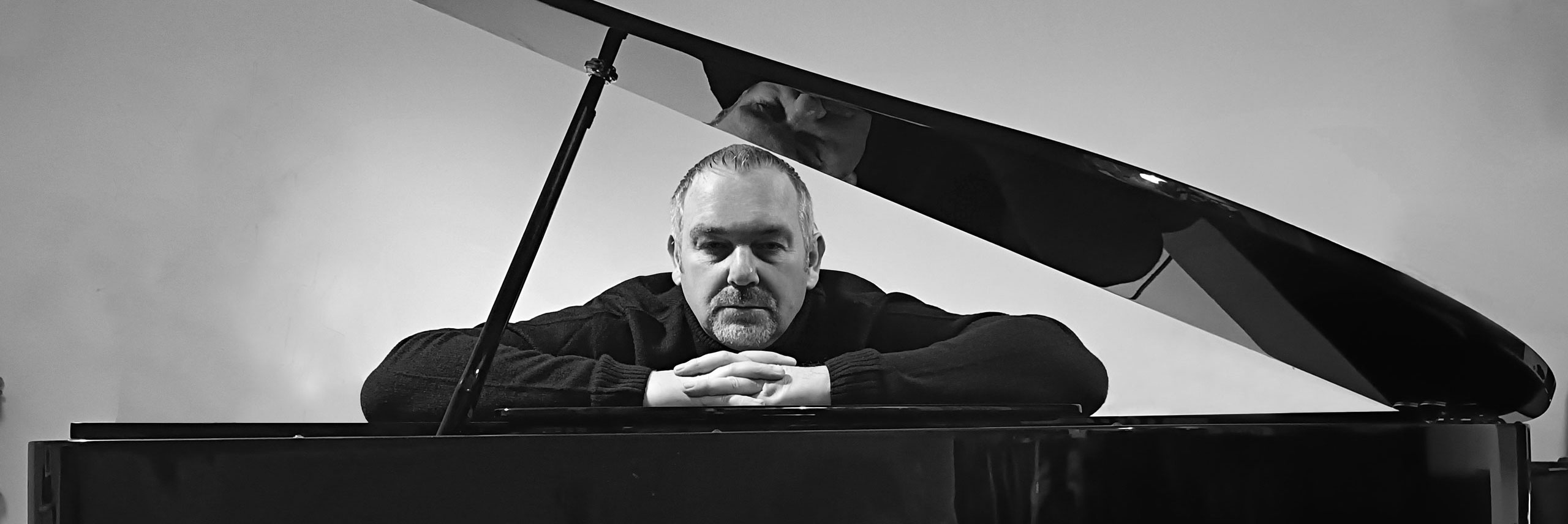

We are currently witnessing a seismic shift in how media is produced. As the owner of PJ Arnold Entertainment Ltd, I have seen technology evolve from simple MIDI sequencing to the complex, AI-driven landscape of 2026. Today, algorithms can generate melodies in seconds and mimic the textures of a full symphony with frightening efficiency. However, as the technical barriers to entry crumble, a new premium has emerged: Human Taste.
In a world saturated with "content," the difference between a project that merely exists and one that resonates deeply with an audience lies in the creative decision-making process. AI can handle the execution, but it cannot understand the "why" behind a specific chord change or the subtle tension required to elevate a cinematic climax. My work is built on the belief that music should be a bridge between technical skill and emotional resonance: a bridge that only a human composer can build.
The Inversion of Execution and Creative Choice
The traditional workflow of a media composer used to be dominated by the "how": the hours spent transcribing parts, setting up templates, and managing technical bottlenecks. Today, that pyramid has inverted. While AI can automate the routine technical tasks of transcription and basic asset generation, my role as a professional has moved upstream.
The value I provide now centers on creative direction. It is no longer about just making music; it is about deciding which musical direction serves the narrative best. Is this scene better served by a soaring orchestral motif, or does it require the grit of a distorted rock riff? Does the brand require the clean precision of electronic textures? These are questions of taste, not computation. At PJ Arnold Entertainment Ltd, I leverage my BAFTA-winning experience to ensure that every note serves the story first.

Beyond the Algorithm: Emotional Resonance and Narrative Depth
AI operates on pattern recognition. It analyzes what has been done before and predicts what should come next based on probability. But great art: the kind that wins awards and stays with an audience long after the credits roll: often relies on the unpredictable. It relies on the "wrong" note that feels exactly right, or the silence that says more than a crescendo ever could.
When I scored Tell No Lies, the challenge wasn't just to fill the space with sound; it was to find the psychological heartbeat of the narrative. An algorithm can produce "sad music," but it cannot understand the nuance of grief, the spark of hope, or the weight of a secret. Human taste is the filter through which these complex emotions pass to become something tangible.
The Power of Versatility
One of my core USPs is the ability to move seamlessly between genres. AI often struggles with the "glue" that connects disparate styles. Whether I am blending:
- Epic Orchestral Arrangements for cinematic grandeur.
- Cutting-edge Electronic Soundscapes for modern tension.
- Hard-hitting Rock Elements for high-octane energy.
The goal is always to push traditional scoring boundaries. This versatility allows me to approach a project like Me, Myself and Di with a completely different sonic palette than a high-stakes interactive project.

Global Inspiration: A Timeless Perspective
As a composer, my "taste" is not formed in a vacuum. It is a product of global inspiration and a deep appreciation for the history of art and sound. I often draw from diverse cultural traditions to create music that feels both ancient and futuristic.
For instance, look at the grandeur of ancient craftsmanship: the intricate detail of a golden funerary mask. That level of artistry represents a commitment to excellence that transcends time. I bring that same philosophy to my custom music scoring. By infusing modern film scoring with global textures, I create evocative emotional resonance that an AI, trained on generic data sets, simply cannot replicate.

Scoring for the Future: Interactive and Adaptive Systems
The role of the composer is perhaps most challenged: and most exciting: in the realm of interactive entertainment. In a game environment, the music must respond to the player's actions in real-time. This requires a sophisticated blend of technical logic and artistic intuition.
When working on titles like F1 Manager, the music isn't just a static background track; it is an adaptive system. It needs to reflect the high-stakes tension of the pit lane and the adrenaline of the final lap. AI can help manage the triggers for these transitions, but the "human taste" ensures that the transition feels natural and emotionally earned. It ensures the music doesn't just "change," but that it evolves with the player's journey.

Why "Good Enough" is the Enemy of "Great"
In the current market, there is a temptation to settle for "good enough." AI-generated library music is cheap and fast, and for some, that is sufficient. But for directors, producers, and brands who want to stand out, "good enough" is a death sentence.
A professional media composer offers more than just a file delivery. I offer a partnership. My job is to be a creative sounding board, to push back when a musical idea isn't working, and to suggest bold new directions that the client might not have even considered. This level of collaboration is where the real magic happens. It’s how we move from a standard score to something truly unforgettable.
A Legacy of Excellence
My commitment to the craft is reflected in the breadth of my credits across various formats:
- Feature Films: Me, Myself and Di
- Television Broadcasts: The One Show, Friday Night Live
- Documentaries: Tell No Lies
- Interactive Media: F1 Manager, Fantasy Adventure Scoring

Every one of these projects required a bespoke approach that prioritized the unique needs of the story over the convenience of a pre-set algorithm.

The Human Verdict
Ultimately, the listener is human. Our ears are finely tuned to detect authenticity. We know when a piece of music has "soul" and when it is a hollow imitation. As a composer, my primary tool isn't my DAW, my synthesizers, or my orchestral libraries: it is my ear. It is the ability to listen to a rough cut of a film and feel the exact moment where the music needs to soar or where it needs to vanish.
As we move deeper into the age of AI, the role of the professional composer will only become more vital. We are the curators of emotion. We are the architects of atmosphere. And most importantly, we are the guardians of taste.
If you are looking to elevate your next project with a score that pushes boundaries and resonates globally, you don't need an algorithm. You need a vision. You can explore my full portfolio of work, from TV scoring to feature documentaries, on my official website.
Let’s create something that an algorithm could never dream of.